


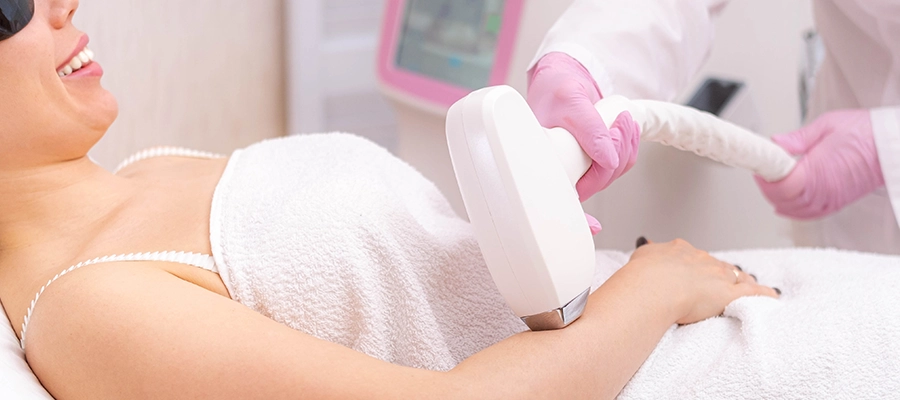
What is Ruby Laser?
Ruby Laser is a type of laser used to treat skin blemishes, signs of aging, and pigment irregularities. It targets skin pigments using high-energy light operating at a wavelength of 694 nm, regulating melanin distribution. This process helps to even out skin tone and reduce blemishes. A slight tingling or warming sensation is normal during the treatment and is usually felt as a short-lived discomfort. As it is a minimally invasive method, it does not require a significant recovery period. The doctor determines the number of sessions and the intensity of the treatment by evaluating the patient’s skin type and the problem area. With regular sessions, the skin’s appearance improves and blemishes decrease, resulting in a more aesthetically pleasing and healthy complexion.
What is a Ruby Laser used for?
Ruby Laser is used to remove skin blemishes, reduce age-related or sun-induced hyperpigmentation, and even out skin tone. By targeting melanin pigment, the Ruby Laser breaks down blemish tissue and reduces discoloration. A slight tingling or warming sensation is normal. The application is performed safely using a minimally invasive technique. Regular sessions result in a smoother and more homogeneous appearance of the skin surface, and also stimulate collagen production, supporting skin elasticity. The doctor will plan the number and intensity of sessions according to the density of blemishes and skin type. This treatment improves both aesthetic appearance and supports the overall health of the skin.
How to Make a Ruby Laser?
During the procedure, the skin is cleansed and the laser light is directed at the area to be treated. The Ruby Laser effectively breaks down the target pigment by heating it, without damaging the underlying tissues. A slight tingling or warming sensation in the tissue is normal. The procedure is performed safely using a minimally invasive technique. Session duration varies depending on the size and intensity of the spot, and usually lasts between 15–30 minutes. The doctor determines the energy intensity by evaluating the skin type and the condition of the spot. Regular sessions help to even out skin tone and significantly reduce spots.
Who is a suitable candidate for Ruby Laser treatment?
Ruby Laser is used in adults with sun spots, age-related hyperpigmentation, or congenital skin blemishes. It is suitable for individuals who want to reduce skin blemishes and even out skin tone. A slight tingling or warming sensation is normal. The procedure is performed safely using a minimally invasive technique. The doctor will assess the skin type and the intensity of the blemishes to plan the number of sessions and the intensity of the treatment. With regular sessions, blemishes are reduced, skin tone is evened out, and the aesthetic appearance is improved.
Which Skin Problems Is It Preferred For?
Ruby Laser is preferred for sun spots, age spots, congenital pigment irregularities, and some birthmarks. By targeting melanin pigment, Ruby Laser breaks down pigmented tissues and creates an even skin tone. A slight tingling or warming sensation in the tissue is normal and subsides quickly. The application is performed safely with a minimally invasive technique. The doctor determines the number of sessions and the intensity of the treatment by evaluating the density of the spots and the skin type. With regular treatment, skin spots decrease, the skin becomes more homogeneous and healthy-looking, thus achieving aesthetic improvement.
Is it effective in treating blemishes?
Skin blemishes can be caused by sun exposure, aging, or congenital pigment differences. The Ruby Laser targets and breaks down blemished tissues by focusing on melanin pigment, thus evening out skin tone. A slight tingling or warming sensation in the tissue is considered normal and is usually short-lived. As it is a minimally invasive method, it does not require a significant recovery period. The doctor determines the number of sessions and energy intensity by evaluating the intensity of the blemish and skin type. Regular sessions lead to a reduction in blemishes, and the skin achieves a smoother, more homogeneous, and healthier appearance. This method is an effective aesthetic solution, especially for pigment irregularities and sun spots.
What precautions should be taken after Ruby Laser treatment?
The skin may be sensitive after treatment, and some precautions are recommended. Ruby Laser may cause mild redness, warmth, or tingling in the treated area; these effects are usually short-lived and normal. It is important to avoid direct sunlight and use sunscreen after the procedure. Skin care, moisturizing, and applying products recommended by the doctor support the healing process. Since it is applied with a minimally invasive technique, a significant downtime is not required. Regular sessions increase collagen production in the skin tissue, improve elasticity, and support the reduction of blemishes. The doctor will personalize the treatment plan considering the patient’s skin type and the intensity of the blemishes.
Ruby Laser Prices 2026
The average price range can vary between 2,500 TL and 7,000 TL. Regular sessions reduce skin blemishes and help correct uneven skin tone. The doctor plans the number of sessions and the intensity of the treatment according to the patient’s skin type and the severity of the blemishes.
Can Ruby Laser be applied to sunspots?
Sunspots can unevenly distribute skin tone and cause aesthetic concerns. Ruby Laser targets melanin pigment, breaking down sunspots and evening out skin tone. A slight tingling or warming sensation is normal. The application is performed safely using a minimally invasive technique. Regular sessions lead to a reduction in spots and a more homogeneous appearance of the skin. The doctor determines the number of sessions and the intensity of the treatment according to the severity of the sunspots and the patient’s skin type. In this way, the aesthetic appearance of the face and body is improved and skin health is supported.
Is Ruby Laser Used in Tattoo Removal?
Tattoo removal procedures vary depending on pigment density and skin type. The Ruby Laser targets ink particles, breaking down pigments beneath the skin and allowing the body to eliminate them through its natural metabolism. Mild tingling, warming, or sensitivity in the tissue is normal and subsides quickly. Because it is a minimally invasive method, a significant recovery period is not required. The doctor will assess the tattoo’s color, density, and skin type to determine the number of sessions and the intensity of the treatment. With regular treatment, the tattoo pigment decreases, and the skin achieves a more homogeneous appearance. The treatment process is tailored to each individual based on the size and color intensity of the tattoo.
How many Ruby Laser sessions are needed?
The number of sessions varies depending on the color, size, and skin type of the tattoo. Ruby Laser treatment is typically applied in 4–10 sessions, with intervals of 4–6 weeks between sessions. Mild tingling or a warming sensation in the tissue is normal. The application is performed safely using a minimally invasive technique. The doctor determines the duration and intensity of each session according to the characteristics of the tattoo. Regular sessions break down the pigment and even out the skin tone. Adhering to the session schedule increases the effectiveness of the treatment and contributes to the complete removal of the tattoo.
Will there be redness after Ruby Laser treatment?
Mild redness, swelling, or tenderness of the skin after treatment is normal. These temporary reactions can occur because the Ruby Laser works by breaking down pigment beneath the skin. A slight tingling or warming sensation is also normal. Since it is applied using a minimally invasive technique, a significant recovery period is not required. Your doctor will provide recommendations based on your skin type and the energy intensity applied. Regular sessions and proper aftercare support skin healing and ensure safe pigment reduction. Avoiding direct sun exposure and using sunscreen after treatment is recommended.
Can Ruby Laser be done in the summer?
During the summer months, skin is exposed to more sunlight, so some precautions are necessary. Although Ruby Laser is a minimally invasive method, it should be applied carefully to areas directly exposed to the sun. Mild tingling or a warming sensation in the tissue is normal. The doctor will adjust the session plan and energy intensity according to the patient’s skin type and the summer season. The use of sunscreen and avoidance of direct sunlight exposure during and after treatment are recommended. Regular sessions support tattoo removal or reduction of skin blemishes and help maintain an aesthetically pleasing appearance.