


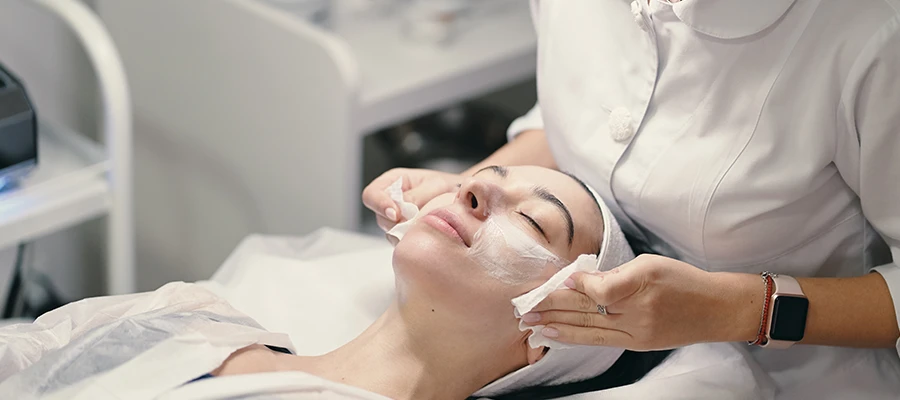
What is Medical Skin Care?
Skin health is of great importance for both aesthetic appearance and overall skin function. Medical Skin Care is a professional application that provides deep cleansing, care, and regeneration of the skin using dermatological methods. During the procedure, the tissues under the skin are stimulated, pores are cleansed, and the skin barrier is strengthened. Mild tingling or temporary sensitivity is normal during the application. A doctor or aesthetic specialist will create a personalized care plan by evaluating the skin type and needs. With regular treatments, the skin gains a brighter, more elastic, and healthier appearance.
What are the benefits of medical skin care?
Dryness, clogged pores, oiliness, fine lines, and sagging skin can be targeted with medical skincare. Medical skincare stimulates cells beneath the skin, supports collagen production, and renews the skin’s surface. Mild tingling, warmth, or short-term sensitivity are normal during the procedure. The doctor will determine the intensity of the treatment and the number of sessions by evaluating the skin type and existing problems. With regular treatments, the skin looks firmer, smoother, and younger. Pores shrink, skin tone evens out, and skin texture strengthens.
How is Medical Skin Care Performed?
The treatment is performed using specialized devices and dermatological products, depending on the skin type and skin problem. Medical Skin Care can be applied with serums, peels, and microdermabrasion techniques that gently penetrate the skin. Mild tingling or temporary sensitivity in the skin is normal during the procedure. The doctor or aesthetician will determine the treatment duration and product intensity by evaluating the skin type, problem areas, and needs. Sessions are usually applied at intervals of 3-4 weeks. With regular treatments, skin tissue is strengthened, pores are reduced, skin tone is evened out, and the surface becomes smoother.
Who is a suitable candidate for medical skin care?
Suitable for all adults with skin problems. Medical Skin Care is preferred for individuals experiencing dryness, acne, clogged pores, fine lines, and loss of skin elasticity. Mild tingling or temporary sensitivity is normal during the procedure. The doctor will create a personalized treatment plan by evaluating the skin type and problem areas. With regular treatments, skin tissue is strengthened, wrinkles are reduced, pores are minimized, and the skin gains a brighter appearance. The treatment supports skin health both aesthetically and functionally.
Which Skin Types Are Suitable for Medical Skin Care?
Different skin types vary in terms of care needs and aesthetic goals. Medical Skin Care can be applied to all skin types, including oily, dry, combination, or sensitive skin. During the procedure, cells are stimulated through micro-channels under the skin, collagen production is supported, and skin tissue is strengthened. Mild tingling or short-term sensitivity is normal. The doctor will assess the skin type and the severity of the problem to plan the number of sessions and the intensity of the treatment individually. With regular treatments, skin elasticity increases, pores tighten, and the surface becomes smoother.
Which Skin Problems Are Treated with Medical Skin Care?
Medical skincare primarily targets clogged pores, acne scars, blackheads, fine lines, and loss of elasticity. By creating micro-channels beneath the skin, medical skincare stimulates fibroblast cells, increases collagen production, and renews skin tissue. This results in reduced pores, tightened skin, and a smoother surface. A slight tingling or temporary sensitivity during the procedure is normal. The doctor will determine the treatment plan based on skin type and problem areas. With regular treatments, skin tone evens out, the appearance of acne and blackheads decreases, and the skin looks younger and healthier.
What precautions should be taken after medical skin care treatment?
The skin may become sensitive after treatment, and proper care is important. Medical skin care allows active ingredients to penetrate effectively through micro-channels beneath the skin; therefore, sun protection and avoiding aggressive peeling or makeup are necessary for the first 24-48 hours. Mild redness and sensitivity are normal and usually disappear quickly. The doctor will recommend the use of moisturizing and soothing products. With regular applications, pores are cleansed, the skin tightens, and the surface becomes smoother. This process strengthens the skin both aesthetically and functionally, offering long-lasting effects.
Medical Skin Care Treatment Prices 2026
As of 2026, Medical Skin Care prices vary depending on the number of sessions, skin type, the area to be treated, and clinic conditions. Mild tingling or short-term sensitivity during the procedure is normal. Average prices can range from 1,200 TL to 3,800 TL.
Frequently Asked Questions
Does Medical Skin Care Help with Blackheads?
Blackheads are a result of clogged pores caused by the skin’s production of oil and dirt, creating an uneven appearance. This problem is both aesthetically bothersome and can be risky for skin health. Medical Skin Care is a professional treatment that provides deep cleansing of the skin and removes accumulated debris from within the pores. Thanks to devices that open micro-channels, the tissues under the skin are stimulated, collagen and elastin production is supported, pores are tightened, and the skin surface becomes smoother. A slight tingling or warming sensation on the skin during the procedure is normal and considered a short-term discomfort. The doctor will create a personalized treatment plan by evaluating the skin type and pore density. With regular treatments, the appearance of blackheads decreases, the skin becomes cleaner and brighter, and pores remain clean for a long time. In addition, skin tone is evened out, and the overall health of the skin is supported.
Does Medical Skin Care Cleanse Pores?
Clogged pores lead to rough skin, acne, and blackheads. Medical Skin Care provides deep cleansing of pores through microdermabrasion, special serums, and device-assisted treatments. This process helps remove dead cells and excess oil from beneath the skin. Mild tingling, warmth, or short-term sensitivity are normal during the procedure. The doctor will determine the number of sessions and the intensity of treatment individually for each patient, taking into account skin type, pore density, and existing problems. With regular treatments, the skin surface becomes smoother, pores tighten, and skin tone evens out. This method reduces blackheads and supports skin health for a long time.
How many sessions are needed for medical skin care?
The number of sessions varies depending on skin type, pore density, and the severity of skin problems. Medical Skin Care is generally applied in 4-6 sessions, scheduled 3-4 weeks apart. A slight tightening of the skin and cleansing of pores may be felt in the first session. With subsequent sessions, skin tissue strengthens, pores shrink, and blackheads and impurities decrease. A slight tingling and temporary sensitivity during the procedure is normal. The doctor will determine the number of sessions and the intensity of the treatment individually, based on skin type and problem areas. With regular treatments, the skin surface becomes smoother, elasticity increases, and the aesthetic appearance is maintained for a long time.
Can I apply makeup after a medical facial treatment?
The skin may be sensitive after treatment, and makeup application should generally be postponed for the duration recommended by the doctor. Because Medical Skin Care activates the underlying tissue by creating micro-channels, protecting the skin is important for the first 24-48 hours. Mild redness, tingling, or sensitivity is normal and considered a short-term effect. The doctor will determine when makeup can be applied and which products are suitable, depending on the skin’s healing time. With regular applications, pores are cleansed, the skin tightens, and the surface becomes smoother. This gives the skin both an aesthetically pleasing and natural appearance.
How often should medical skin care be performed?
The frequency of treatment is determined by skin type and the severity of existing problems. Medical facial treatments are generally applied every 4–6 weeks. With regular treatments, skin tissue is strengthened, pores are cleansed, blackheads are reduced, and the skin surface becomes smoother. A slight tingling and temporary sensitivity sensation during the procedure is normal. The doctor will determine the ideal treatment frequency by evaluating the skin type, age, severity of problems, and lifestyle. With regular treatments, skin elasticity increases, skin tone is evened out, pores are tightened, and the surface gains a healthier, younger, and more aesthetic appearance.
Long-Term Benefits of Medical Skin Care
Regular treatments not only provide short-term cleansing; they also support the long-term strengthening of skin tissue and a more youthful appearance. Medical Skin Care, in addition to shrinking pores, increases skin elasticity and reduces the appearance of fine lines and wrinkles. Thanks to its effect in preventing acne and blackhead formation, it provides long-lasting balance and smoothness to the skin. When supported with the recommended skincare routine and skin protection products after the treatment, the effects become more permanent.