


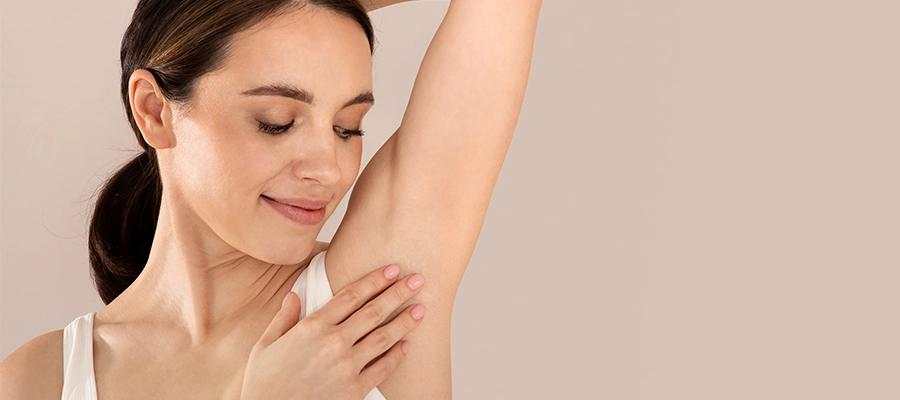
What is Feather Bleaching?
Dark hairs on the skin can be aesthetically bothersome, and various solutions have been developed for those who want to reduce their visibility. Hair bleaching is an aesthetic procedure that uses special chemical or cosmetic products to lighten hair pigments, making them less noticeable. During the procedure, the skin is cleansed, and products are gently applied to the target area. A slight tingling or warming sensation in the tissue is normal and is felt as a short-term discomfort. Since it is a minimally invasive method, no recovery time is required. To prevent skin irritation after the procedure, care products recommended by the doctor should be used. This method is preferred in areas with high hair density, such as the armpits, legs, bikini area, and face. With regular applications, hairs become less noticeable, skin tone is evened out, and the aesthetic appearance improves. In addition, lightening the hairs makes skin care and cleansing routines easier and provides a smoother appearance to the skin.
What is the purpose of hair bleaching?
Hair bleaching is a procedure applied to reduce the visibility of hairs on the skin, achieving a smoother and more homogeneous appearance aesthetically. Hair bleaching lightens the hair pigment, making it more harmonious with the skin’s natural tone and reducing the noticeable appearance of dark hairs. A slight tingling or warming sensation in the skin is normal and considered a short-term discomfort. Because it is a minimally invasive method, a significant recovery period is not required after the procedure. The doctor will determine the number of sessions and the frequency of application by evaluating the hair density, skin type, and the area to be treated. Regular applications, especially in the underarm, leg, and facial areas, make hairs less noticeable. This improves both the aesthetic appearance and makes the skin look smoother and more well-maintained. Hair bleaching is more effective when used in conjunction with epilation or hair removal methods.
In which areas is hair bleaching applied?
Many areas of the body with dense dark hair are suitable areas for hair bleaching due to aesthetic concerns. Hair bleaching can be applied to areas such as the underarms, legs, arms, bikini area, upper lip, and jawline. Mild tingling or a warming sensation in the tissue is normal and considered a short-term discomfort. Because it is a minimally invasive method, a significant recovery period is not required. The doctor will determine the number of sessions and the intensity of the treatment by evaluating the skin type and hair density. Regular sessions reduce the visibility of hair, even out skin tone, and improve aesthetic appearance. Furthermore, lightening the hair makes skincare and cleaning routines easier in the treated area. This method is suitable for individuals who want to reduce the visibility of hair rather than remove it completely, and provides a long-term aesthetic solution.
How does feather bleaching occur?
The treatment process is planned according to the density of hair on the skin and the sensitivity of the area. Hair bleaching uses special chemical or cosmetic solutions to lighten the hair pigment and reduce its visibility. A slight tingling or warming sensation in the skin is normal and felt as short-term discomfort. Since it is a minimally invasive method, a significant recovery period is not required. During the procedure, the skin is cleansed and appropriate products are gently applied. The doctor or specialist determines the intensity of the treatment and the number of sessions according to the skin type and hair density. Regular sessions make the hairs less noticeable, support skin tone equalization, and improve the aesthetic appearance. Moisturizing the skin and protecting it from the sun after the procedure is recommended. This ensures both a safe and long-lasting effect.
When will the effects be seen?
The effects of hair bleaching treatment are usually noticeable within the first few days after the session. Hair bleaching reduces the visibility of hair by lightening the hair pigment and makes the skin tone more homogeneous. Mild tingling or a warming sensation on the skin is normal and considered a short-term discomfort. Since it is a minimally invasive method, a significant recovery period is not required. While less noticeable hairs are observed after the first application, this effect becomes permanent with regular sessions. The doctor determines the treatment plan by evaluating the skin type and hair density. Regular applications ensure a smoother and more aesthetically pleasing appearance of the skin and help the hairs remain less noticeable for a long time.
How should skin care be after bleaching?
The skin may be sensitive after the procedure, and some precautions should be taken. Hair bleaching lightens hair by applying pigment-lightening products to the skin, which can temporarily affect the skin’s protective barrier. Mild redness or sensitivity is normal. It is important to moisturize the skin after the procedure, protect it from the sun, and avoid alcohol or abrasive substances. Since it is a minimally invasive technique, a significant recovery period is not required. The doctor will provide care recommendations considering the skin type and the treated area. With regular sessions and proper care, hair becomes less noticeable, skin tone evens out, and the aesthetic appearance is maintained.
Feather Bleaching Prices 2026
As of 2026, hair bleaching prices vary depending on the area to be treated, the number of sessions, and the clinic’s location. Mild tingling or sensitivity in the tissue is normal. The procedure is performed safely using a minimally invasive technique. The average price range can vary between 1,500 TL and 4,500 TL. The doctor will determine the number of sessions and the intensity of the treatment by evaluating the skin type and hair density. Regular sessions will make the hairs less noticeable and improve the aesthetic appearance. Adherence to the treatment plan increases the effectiveness of the treatment and helps achieve long-lasting results.
Frequently Asked Questions
Can hair bleaching be done on the face?
Facial hair is a frequent source of complaint due to aesthetic concerns. Hair bleaching can be applied to the face and reduces the visibility of hair by lightening the hair pigment. A slight tingling or warming sensation in the skin is normal and considered a short-term discomfort. Since it is a minimally invasive method, no recovery time is required. The doctor determines the treatment plan by evaluating the sensitive areas of the face and the skin type. With regular sessions, the hairs become less noticeable, skin tone evens out, and the aesthetic appearance of the face improves. This method is particularly suitable for individuals who want to reduce the visibility of hair on the upper lip, chin, and cheeks.
Does hair bleaching increase hair growth?
Hair density and thickness depend on genetic and hormonal factors and cannot be altered by cosmetic procedures. Hair bleaching reduces the visibility of hair by lightening the hair pigment, but it does not increase the number or thickness of hairs. A slight tingling or warming sensation in the skin is normal and may be felt as short-term discomfort. Since it is a minimally invasive method, a significant recovery period is not required. The doctor will create a treatment plan by evaluating hair density and skin type. Regular treatments reduce the visibility of hairs, even out skin tone, and improve aesthetic appearance. This method makes existing hairs less noticeable rather than increasing their growth, providing long-term improvement in appearance.
Does hair bleaching irritate the skin?
Individuals with sensitive skin should take certain precautions. When hair bleaching is applied with products that lighten the hair pigment, mild redness or a warming sensation in the skin is considered normal, but severe irritation is rare. Because it is a minimally invasive method, it can be safely applied to most skin types. Before the procedure, the skin is cleansed and appropriate products are selected and applied. Regular sessions ensure that the hairs become less noticeable without causing skin irritation. The doctor will determine the treatment plan based on the skin type and provide necessary aftercare recommendations. Moisturizing and protecting the skin from the sun after treatment reduces the risk of irritation.
How long does the feather bleaching effect last?
The effectiveness of the treatment varies depending on hair type, skin structure, and the frequency of sessions. Hair bleaching reduces the visibility of hair by lightening the hair pigment, and this effect is maintained for a long time with regular sessions. Mild tingling or a warming sensation in the skin is normal and considered a short-term discomfort. Thanks to the minimally invasive technique, the recovery time is short. With regular applications, hair becomes less noticeable, skin tone is evened out, and the aesthetic appearance is preserved. The doctor will plan the number and frequency of sessions by evaluating the skin type and the treatment area, thus ensuring a lasting and safe effect.
Can feather bleaching be done in the summer months?
During the summer months, skin is exposed to more sunlight, so some precautions are necessary. Although hair bleaching is a minimally invasive method, it should be performed without sun exposure. A slight tingling or warming sensation in the tissue is normal. The doctor will adjust the session plan and application intensity according to skin type and the summer season. Using sunscreen and avoiding direct sunlight during and after treatment is important. With regular sessions, the visibility of hairs decreases, skin tone evens out, and the aesthetic appearance is maintained. This method is a safe aesthetic solution, especially during the summer months.