


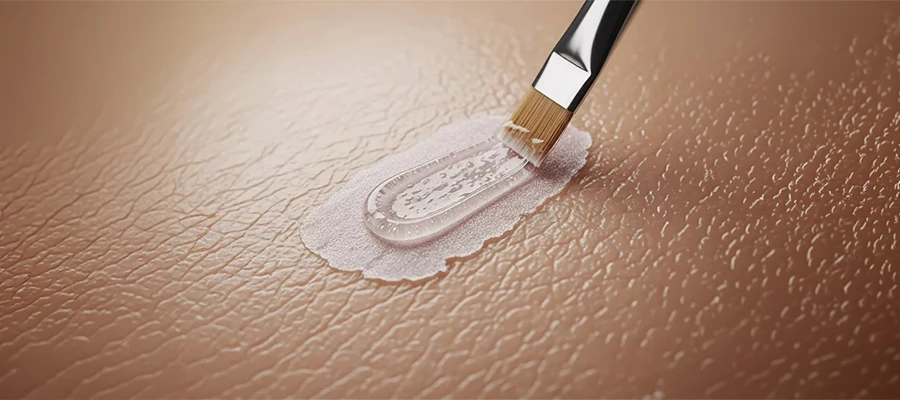
What is a chemical peel?
Skin blemishes, sun damage, acne scars, and fine lines can affect aesthetic appearance and lower self-confidence. Chemical peeling, applied as a solution to these problems, removes dead cells by applying special chemical solutions to the skin’s surface, supports skin renewal, and revitalizes tissues. Mild tingling, a warming sensation, or short-term redness is normal during the procedure. The doctor will determine the appropriate type of peeling and session plan by evaluating the individual’s skin type, age, and skin problems. With regular applications, the skin becomes brighter, more hydrated, smoother, and has an even skin tone; fine lines are reduced, blemishes diminish, and skin texture is strengthened.
What are the benefits of chemical peeling?
Skin aging, environmental factors, and UV rays lead to problems such as dullness, loss of elasticity, and discoloration. Chemical peeling removes dead cells from the skin’s surface, stimulating the renewal of cells in the underlying layers. This supports collagen production and strengthens skin tissue. Acne scars and discoloration are also reduced with regular treatments. Mild swelling or tingling sensations during the procedure are normal. The doctor will determine the appropriate number of sessions and type of peeling by evaluating the skin type and the severity of the problems. With regular treatments, skin tone is balanced, blemishes are reduced, and radiance is increased.
How is a chemical peel applied?
Before the procedure, the skin is cleansed, and a local anesthetic cream is applied if necessary. Then, the selected chemical solution is applied to the skin surface in a controlled manner and left for a specific period of time. The type and depth of the solution are determined according to the skin type and the severity of the problem. Chemical peeling can be applied as a superficial, medium, or deep peel. A slight burning or tingling sensation during the procedure is normal. The doctor determines the treatment plan by evaluating the skin type, age, and problem areas. With regular applications, the skin tissue is strengthened, the skin tone is evened out, radiance increases, and skin elasticity improves.
Who is a suitable candidate for chemical peels?
Suitable for adults bothered by sun spots, acne scars, melasma, dull skin, and fine lines. Can be safely applied to both men and women. Mild swelling, tingling, or redness during the procedure is normal. The doctor will determine the number of sessions and the type of peeling based on the individual’s skin type and the severity of the problem. With regular applications, the skin becomes bright, hydrated, and smooth, tissues are strengthened, and skin tone is balanced.
For which skin problems is chemical peeling preferred?
Chemical peels are used to treat issues such as acne scars, melasma, signs of aging, sun spots, dull skin, and loss of elasticity. They promote cell renewal beneath the skin, increase collagen production, and strengthen tissues. Mild swelling and tingling sensations are normal during the procedure. The doctor will create a treatment plan based on skin type and problem areas. With regular treatments, the skin becomes brighter, blemish-free, and more even-toned; fine lines are reduced, and tissues are strengthened.
When do the effects of a chemical peel become apparent?
The first effects are usually observed 1–2 weeks after the application. Maximum effect appears within 4–6 weeks. Chemical peeling supports cell renewal and collagen production under the skin. The doctor creates a treatment plan by evaluating the skin type and problem areas. With regular applications, skin tissue is strengthened, skin tone is evened out, brightness and elasticity increase, and fine lines are reduced.
How long do chemical peels last?
The longevity of the results depends on the individual’s skin type, age, lifestyle, and the number of sessions. Chemical peels are generally effective for 6-12 months, and long-lasting results are achieved with regular follow-up sessions. The doctor will create a treatment plan by evaluating the skin’s structure and needs. With regular applications, skin tone is evened out, blemishes are lightened, tissues are strengthened, and the aesthetic appearance is maintained for a long time. Mild swelling or redness after the procedure is normal and disappears quickly.
Things to Consider After a Chemical Peel
Mild redness, swelling, or peeling after the procedure is normal. Chemical peeling is a minimally invasive method and is well-tolerated by most people. Heavy makeup, massage, and hot baths should be avoided for the first 24-48 hours. Protecting the skin from UV rays and moisturizing will increase the effectiveness and longevity of the treatment. With regular sessions, skin texture strengthens, skin tone is balanced, radiance increases, and the aesthetic appearance is maintained for a long time.
Carbon Peeling Treatment Prices 2026
As of 2026, prices will vary depending on clinic equipment, the area to be treated, the number of sessions, and the intensity of the treatment. Single-area treatments may range from 1,500–3,000 TL, while larger area treatments may be around 3,000–5,500 TL. The doctor determines the treatment plan by evaluating the skin type, the severity of the problem, and the skin’s sensitivity. With regular treatments, the skin becomes brighter, more hydrated, and more even-toned, pores tighten, and acne scars fade.
Frequently Asked Questions
Does Carbon Peeling Tighten Pores?
Enlarged pores prevent the skin from looking healthy and cause makeup to wear off more quickly. Carbon Peeling uses a laser to activate carbon particles on the skin’s surface, deeply cleansing pores and promoting tightening. A slight tingling or warming sensation during the procedure is normal. The doctor will determine the treatment plan after evaluating the skin type and pore density. With regular treatments, pores tighten, skin texture strengthens, and the skin surface becomes smoother.
Does Carbon Peeling Reduce the Appearance of Blemishes?
Sun spots, acne scars, and melasma make skin tone appear uneven. Carbon Peeling reduces the appearance of spots by cleansing the skin’s surface and removing dead cells. Mild swelling and short-term redness are normal during the procedure. The doctor will create a treatment plan after evaluating the skin type and the intensity of the spots. With regular treatments, skin tone is balanced, spots lighten, and the skin looks brighter and healthier.
Does Carbon Peeling Help with Acne?
Acne is caused by an imbalance of oils in the skin and clogged pores. Carbon Peeling reduces acne formation by removing dirt and oils from the skin’s surface, lightens existing acne scars, and supports skin renewal. A slight tingling or warming sensation during the procedure is normal. The doctor will determine the treatment plan by evaluating the skin type and acne severity. With regular sessions, skin texture strengthens, pores are cleansed, acne scars are reduced, and the skin becomes smoother and more even-toned.
How many sessions of Carbon Peel are needed?
For effective results, 3–6 sessions are generally recommended. Carbon Peeling can be applied superficially or at medium depth depending on skin type and the severity of the problem, and sessions are scheduled 2–4 weeks apart. The doctor determines the number of sessions by evaluating the skin type and problem areas. With regular applications, skin tissue is strengthened, pores are tightened, blemishes are reduced, radiance increases, and skin elasticity improves.
Will there be redness after a carbon peel?
Mild redness, swelling, or a feeling of warmth in the skin after the procedure is normal and usually lasts from a few hours to a day. Carbon Peeling is a minimally invasive procedure and is comfortably tolerated by most people. Heavy makeup, massage, or hot baths should be avoided for the first 24–48 hours. Protecting the skin from UV rays and moisturizing will enhance the effects and support their longevity. With regular sessions, the skin will appear brighter, more even-toned, and healthier, pores will tighten, blemishes will be reduced, and skin texture will be strengthened.
Long-Term Impacts and Recommendations
With regular sessions, Carbon Peeling increases skin radiance, elasticity, and moisture. Pores are cleansed and tightened, and acne and blemishes are reduced. Thanks to its minimally invasive nature, it can be easily applied by most people. Mild swelling or redness may occur briefly after the procedure and disappear. Following your doctor’s recommendations, protecting yourself from UV rays, and regularly moisturizing your skin increases the effectiveness of the treatment. With regular applications, skin tissue is strengthened, radiance increases, pores tighten, blemishes are reduced, the appearance of acne is reduced, and the aesthetic appearance is maintained for a long time.