


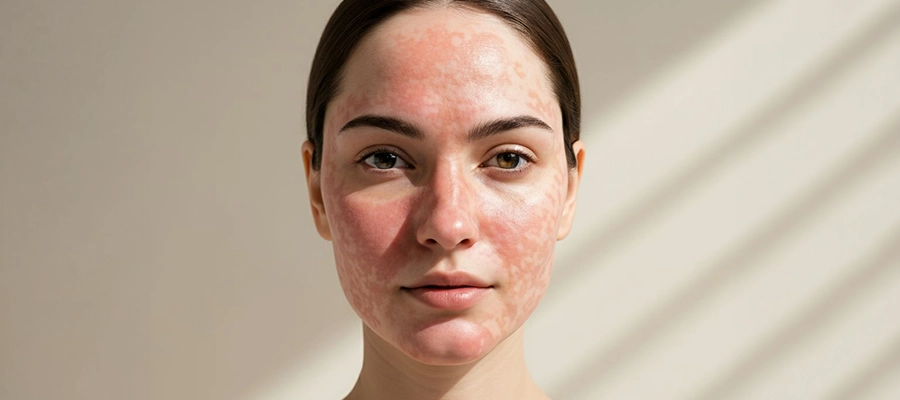
What is the treatment for rosacea?
Rosacea, a condition characterized by redness, acne-like bumps, and visible blood vessels on the face, can be aesthetically and psychologically distressing. One method used to control these symptoms is Rosacea Treatment, which aims to reduce inflammation and control redness. A slight tingling or warming sensation on the skin during the treatment is normal and may be felt as a short-term discomfort. The doctor will determine the most appropriate method and treatment plan by evaluating the severity of the disease and skin type. With regular treatments, redness decreases, skin tissue strengthens, and aesthetic appearance improves.
In which symptoms is rosacea treated?
Persistent redness, acne-like bumps, dilated blood vessels, and a burning sensation are the main symptoms requiring treatment. Rosacea treatment aims to reduce these symptoms, smooth the skin’s surface, and improve its appearance. Mild tingling or a warming sensation on the skin is normal and considered a short-term discomfort. The doctor will determine the appropriate treatment method and number of sessions by evaluating the skin type and the severity of the symptoms. With regular treatments, redness decreases, acne-like bumps are controlled, and the skin gains a healthier appearance.
How is Rosacea Treatment Planned?
The treatment plan is created based on the severity of the disease, skin type, and individual needs. Rosacea treatment usually begins with topical products and laser applications in patients with mild to moderate symptoms. In more severe cases, systemic medications or combination methods may be planned. Mild tingling, warmth, or redness is normal during application. The doctor will determine the most appropriate number of sessions and application intensity by evaluating the skin type, the intensity of the redness, and the affected area. With regular sessions, the skin tissue strengthens, redness decreases, and the disease is controlled.
What methods are used in treatment?
Different methods may be preferred depending on the severity of the disease and skin type. Rosacea treatment can be applied with topical creams, antibiotic medications, laser or light therapies, and in some cases, systemic medications. Mild tingling or a warming sensation on the skin is normal. Thanks to minimally invasive techniques, treatment is performed safely. The doctor prepares the treatment plan by evaluating the intensity of the symptoms and the skin type. With regular applications, redness decreases, skin tissue strengthens, and aesthetic appearance improves.
Does Rosacea Treatment Reduce Redness?
Redness is one of the most prominent symptoms of rosacea and can be aesthetically bothersome. Rosacea Treatment reduces inflammation, decreasing the intensity of redness and providing a more even skin tone on the face. A mild tingling or warming sensation is normal and considered a short-term discomfort. Thanks to minimally invasive methods, the treatment is performed safely. With regular sessions, redness decreases, the appearance of blood vessels is controlled, and skin tissue is strengthened. This improves both the aesthetic appearance and slows the progression of the disease.
Does Rosacea Treatment Balance Skin Sensitivity?
Persistent redness, burning sensation, and sensitivity on the face are among the most common symptoms of rosacea. This can negatively impact daily life and cause aesthetic concerns. Rosacea treatment aims to reduce inflammation under the skin, balance sensitivity, and decrease the intensity of redness. A slight tingling or warming sensation in the tissue during the application is normal and considered a short-term discomfort. Thanks to minimally invasive methods, the treatment is performed safely. The doctor determines the treatment plan and method by evaluating the skin type and the severity of the disease. With regular applications, skin sensitivity decreases, redness is controlled, and a more even skin tone is achieved on the face.
What precautions should be taken after treatment?
The skin may be temporarily sensitive after the procedure, and proper care is important. Rosacea Treatment reduces skin sensitivity while also controlling inflammation. Mild redness or tingling sensation is normal. Moisturizing the skin after treatment, avoiding excessively hot water or harsh products, and using sunscreen are important. Following the doctor’s care instructions ensures the long-lasting effects of the treatment. With regular applications, redness decreases, skin tissue strengthens, and aesthetic appearance improves.
Rosacea Treatment Prices 2026
As of 2026, Rosacea Treatment prices vary depending on the treatment method, number of sessions, and clinic location. Methods such as topical products, laser, or light therapy are factors that determine the price. Mild tingling or sensitivity in the skin is normal. Thanks to minimally invasive techniques, the application is performed safely. The average price range can vary between 1,500 TL and 5,000 TL. The doctor determines the treatment plan by evaluating the skin type and the intensity of the redness. With regular applications, skin sensitivity decreases, redness is controlled, and the aesthetic appearance is maintained for a long time.
Can rosacea completely disappear?
Rosacea is a chronic condition, and complete elimination may not always be possible. However, Rosacea Treatment controls symptoms, reduces redness, and balances skin sensitivity. Mild tingling or a warming sensation on the skin is normal during application. Treatment is performed safely with minimally invasive techniques, and serious side effects are rare. Regular applications strengthen skin tissue, reduce the frequency of redness recurrence, and improve aesthetic appearance. With proper care, sunscreen use, and lifestyle changes, the effects of treatment can be maintained for a long time, but complete elimination varies from person to person.
Can Rosacea Be Treated with Laser?
Prominent redness, visible blood vessels, and acne-like lesions on the face are the most common symptoms of rosacea. This can cause aesthetic concerns and psychological distress in some individuals. Rosacea treatment uses laser applications to target blood vessels under the skin, reducing redness and controlling inflammation. A slight tingling or warming sensation on the skin during laser applications is normal and considered a short-term discomfort. Because it is a minimally invasive method, the recovery time is short. The doctor determines the number of sessions and laser parameters by evaluating the severity of the disease, skin type, and the intensity of the redness. With regular applications, redness decreases, skin tone evens out, and aesthetic appearance improves.
What triggers a rosacea flare-up?
Rosacea can be exacerbated by various environmental and lifestyle factors. Excessive sun exposure, hot drinks, spicy foods, stress, and alcohol consumption can trigger these flare-ups. Rosacea treatment aims to control redness and inflammation caused by such triggers. Mild tingling or sensitivity in the skin is normal during treatment. Treatment is performed safely using minimally invasive methods. The doctor will prepare an appropriate treatment plan by evaluating the severity of the disease and skin type. With regular treatments, skin sensitivity decreases, redness is controlled, and the aesthetic appearance is preserved.
Which products should people with rosacea use?
Choosing the right products for skincare is critical to the success of treatment. When treating rosacea, it’s recommended to use moisturizing and soothing products to reduce skin sensitivity and control redness. Mild tingling or warming sensations are normal and considered short-term discomfort. Products that are fragrance-free, alcohol-free, and free from irritating chemicals should be preferred. With regular applications and proper care, skin tissue strengthens, redness decreases, and skin tone is balanced. The doctor will determine which products to use based on skin type and optimize the treatment process.
How long does rosacea treatment last?
Treatment duration varies depending on the severity of the disease, skin type, and the chosen method. Rosacea treatment is generally planned for 4–8 sessions, with sessions applied at intervals of 2–4 weeks. Mild tingling or a warming sensation on the skin is normal and may be felt as short-term discomfort. The doctor determines the session plan and application intensity by evaluating the skin type and the intensity of the redness. With regular applications, redness decreases, the appearance of blood vessels is controlled, and the skin surface is strengthened. At the end of the treatment, the skin tissue tightens, the aesthetic appearance improves, and inflammation decreases, thus providing an effective result both visually and in terms of health.