


What is Nasolabial Filler?
In facial aesthetics, the nasolabial folds are lines extending from the sides of the nose to the corners of the mouth, and these lines can deepen due to aging, volume loss, or genetic factors. These lines can make the face look older, tired, and asymmetrical. Nasolabial filler is an aesthetic procedure applied to fill deep lines and depressions in this area, add volume, and balance facial features. Hyaluronic acid-based products are generally used as fillers. A slight pressure, warmth, or tingling sensation may be felt during the procedure; this is completely normal. The doctor will determine a personalized treatment plan by evaluating the facial anatomy and skin type. With regular applications, the nasolabial folds become fuller, lines are reduced, and the face looks younger and more aesthetically pleasing.
This method ensures a natural appearance of facial features and strengthens the supporting tissue beneath the skin. Applying the filler to the correct point creates an aesthetically pleasing look that is harmonious with other areas of the face and produces a natural rejuvenation effect.
What are the benefits of nasolabial fillers?
Lines that deepen over time, extending from the sides of the nose to the corners of the mouth, negatively affect the overall facial expression. Nasolabial fillers fill these lines, eliminate depressions, and balance facial features with filler injected under the skin. Mild swelling or tenderness during the procedure is normal. The doctor determines the amount of filler and the application points by evaluating the depth of the nasolabial area, skin elasticity, and facial symmetry. With regular applications, lines are reduced, the underlying skin is supported, and the face looks younger, more dynamic, and healthier.
Additionally, nasolabial fillers enhance smile aesthetics and provide a more symmetrical appearance by eliminating hollows around the corners of the mouth. A slight improvement can be noticed even after the first session, while the maximum and lasting effect is achieved after completing the sessions.
How is nasolabial filler applied?
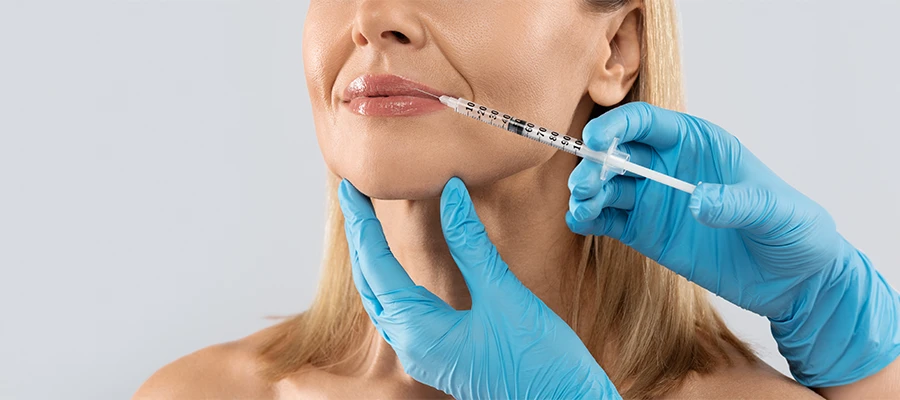
Before the procedure, the area is cleaned and a local anesthetic cream is applied if necessary. Nasolabial filler is injected under the skin using fine-tipped needles or cannulas. The doctor determines the amount of filler and the application points by evaluating the facial anatomy and the depth of the lines. Mild tingling, pressure, or warmth sensations during the procedure are normal and short-lived discomfort.
The treatment usually takes between 20–30 minutes, and mild swelling or bruising may occur afterward. With regular treatments, lines are reduced, the skin surface becomes smoother, and the nasolabial area looks younger. Even after the first session, a slight fullness and rejuvenation of the skin may be noticeable, but the full and lasting effect becomes apparent after completing the sessions.
Who are suitable candidates for nasolabial filler treatment?
Suitable for adults experiencing deep lines, volume loss, or hollowing in the nasolabial area. Nasolabial filler can be preferred by both women and men. A slight tingling or swelling sensation during the procedure is normal. The doctor will determine the number of sessions and the amount of filler by evaluating the facial anatomy and skin type. With regular applications, nasolabial lines are reduced, facial contours are balanced, and aesthetic appearance is improved.
This procedure is also suitable for those who want to reduce the signs of aging. Applying the filler in the correct amount and at the correct point ensures a natural look that is harmonious with other areas of the face. Smiles and facial expressions appear younger and more vibrant.
Which area is nasolabial filler applied to?
Fillers are applied to the nasolabial area, where lines extend from the sides of the nose to the corners of the mouth. Nasolabial fillers balance facial features by eliminating depressions and volume loss in this area. A slight tingling or pressure sensation during the procedure is normal. The doctor determines the amount of filler by evaluating the skin type, line depth, and facial symmetry. With regular applications, nasolabial lines are reduced, the skin surface becomes smoother, and the face looks younger, more symmetrical, and aesthetically pleasing.
During the application, the filler is distributed homogeneously, resulting in a natural aesthetic appearance that is harmonious with the lower and middle regions of the face. Additionally, the filler supports the tissue beneath the skin, preventing sagging and preserving the overall volume of the face.
How long do nasolabial fillers last?
Depending on the filler used, the individual’s metabolism, and lifestyle, nasolabial fillers generally last between 12 and 18 months. The effect may last shorter or longer in some individuals. Regular care and healthy lifestyle habits increase the longevity of the filler. Mild swelling, tingling, or pressure sensations are normal during the procedure. The doctor will assess the distribution and longevity of the filler and schedule additional sessions as needed.
The lasting result not only adds volume but also strengthens the underlying tissue, prevents nasolabial lines from deepening again, and maintains the aesthetic appearance of facial contours for a long time.
What precautions should be taken after nasolabial filler treatment?
Mild swelling, edema, or bruising after the procedure is normal and usually disappears within a few days. It is important to avoid direct sunlight, heavy makeup, and irritating products after nasolabial filler treatment. The doctor will provide personalized care recommendations based on skin sensitivity and healing time. With regular applications, the nasolabial area will become fuller, lines will be reduced, and facial contours will be balanced.
After the procedure, the filler under the skin settles naturally, and facial contours become more defined. Swelling and sensitivity may occur in the first few days, but these will quickly return to normal with regular care. If necessary, supportive sessions are held to optimize the aesthetic appearance and ensure homogeneous distribution of the filler.
Nasolabial Filler Prices 2026
As of 2026, prices vary depending on the type of filler used, the number of sessions, the size of the area to be treated, and the clinic’s equipment. Average prices can range from 3,500 TL to 8,000 TL. Mild pressure, tingling, or swelling during the procedure is normal and considered a short-term discomfort.
Frequently Asked Questions
Does nasolabial filler reduce smile lines?
Lines that become more prominent when smiling become permanent with age and negatively affect facial expression. Nasolabial fillers reduce smile lines and balance facial contours by addressing volume loss in this area. Mild swelling or tingling sensations are normal during the procedure. The doctor will determine the amount of filler and the application points by evaluating the depth of the lines and skin type. With regular applications, smile lines are reduced, the underlying skin is supported, and facial expressions appear younger and more natural.
Proper application of fillers not only reduces wrinkles but also helps create a harmonious and symmetrical appearance of the corners of the mouth and cheek contours. A slight difference may be visible after the first session, with the maximum effect achieved after completing a series of sessions.
Does nasolabial filler change facial expression?
Facial expressions are directly related to the volume and condition of the tissues beneath the skin. Nasolabial fillers add volume to the lower and middle areas of the face, balancing expression and reducing a tired or sunken appearance. A slight pressure or tingling sensation during the procedure is normal. The doctor will assess the facial anatomy to determine the amount of filler and the application points. With regular applications, facial features become more defined, depressions are reduced, and the skin looks younger and healthier.
Proper application of fillers ensures a natural-looking facial expression and does not disrupt the normal function of facial expressions. Skin movements during smiling and speaking remain natural; only the balance and youthfulness of facial features are enhanced.
Is There Any Swelling After Nasolabial Filling?
Mild swelling or edema after the procedure is normal. Swelling and tenderness after nasolabial filler treatment usually disappear within a few days. The doctor can help reduce swelling with cold compresses and gentle massage. With regular applications, the temple and cheek areas become fuller, and swelling returns to normal quickly. The duration of swelling may vary depending on skin sensitivity and the intensity of the application. Limiting facial expressions and paying attention to sleeping position in the first few days will reduce swelling.
This process ensures that the filler is evenly distributed and that facial features appear smoother. After the swelling subsides, the face takes on a more symmetrical and youthful appearance.
Can Nasolabial Filler be Dissolved?
Hyaluronic acid-based fillers are dissolvable. If the shape of the filler is not as desired or if there is excess volume, the filler can be dissolved with the hyaluronidase enzyme. Therefore, nasolabial filler application is a reversible and safe method. Mild tingling or swelling after the procedure is normal. The doctor will assess the distribution and longevity of the filler and plan corrective procedures as needed. With regular applications, the nasolabial area becomes fuller, lines are reduced, and facial features are balanced.
Absorbable fillers allow for corrections in case of incorrect applications and preserve facial symmetry. This increases both safety and aesthetic results.
Is a Single Session of Nasolabial Filler Enough?
Some mild lines and facial volume loss can show noticeable results with a single session. However, for deep nasolabial lines or significant volume loss, Nasolabial Filler treatment is usually planned for 2-3 sessions. The doctor determines the number of sessions based on skin type, line depth, and facial anatomy. With regular applications, lines are reduced, underlying tissues are supported, and the face gains a younger, fuller, and more symmetrical appearance.